


1.Wat Paknam Khaem Nu (วัดปากน้ำแขมหนู)
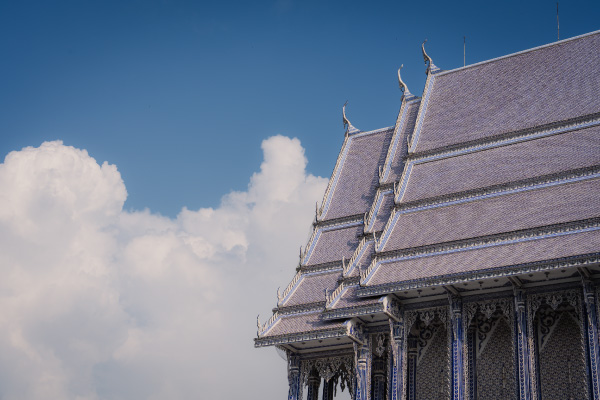
On Day 6 of our Bangkok to the East Coast Explorer tour, we stopped at Wat Paknam Khaem Nu in Chanthaburi Province. Often referred to as the Blue Temple, it is famous for its striking cobalt-blue and white ceramic-tiled ordination hall.
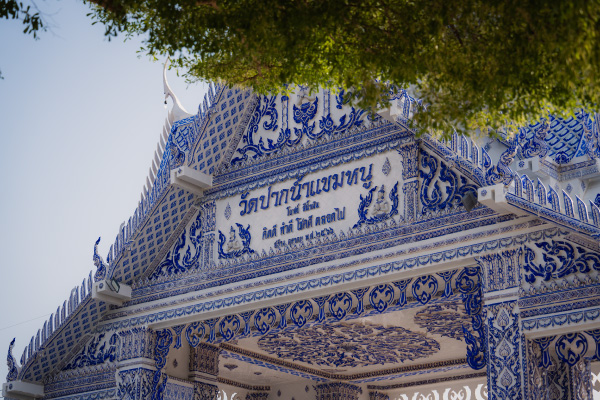
The History and Architecture
Originally built in 1946, the temple's iconic look is not just an artistic choice, but an ingenious architectural solution to a local problem. Located right on the coast, the original structure was constantly battered by salty sea breezes and ocean spray, which rapidly corroded traditional paint and plaster.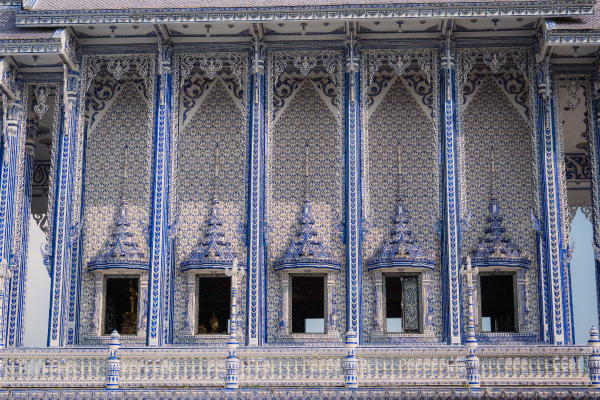
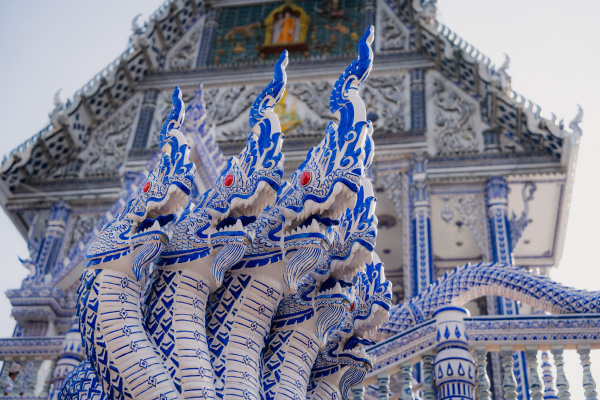
Weary of constant renovations, the builders decided to coat the new structure entirely in durable, glazed ceramic tiles. This made the temple highly resistant to saltwater and rust. The result is a stunning fusion of practical engineering and traditional Thai design. Classic temple elements, such as the multi-headed Naga serpents guarding the stairs and the intricate floral motifs, are rendered entirely in blue and white porcelain.
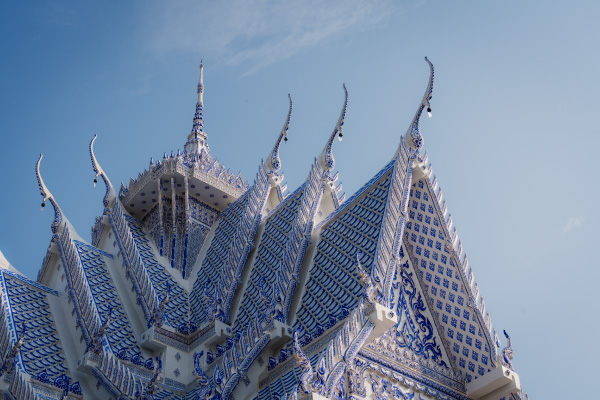
Beyond its practical origins, the color scheme holds deep cultural and spiritual significance. In Buddhism, blue is symbolically tied to Buddharatana, or the blue gemstone, which represents wisdom and purity. Because of this, admiring the artwork on this ordination hall offers more than just visual beauty. It is a spiritually fulfilling experience that deepens your sense of faith and inner peace.
Why It's a Hidden Gem
Despite being an absolute masterpiece, Wat Pak Nam Khaem Nu remains an "Unseen Thailand" destination. Because Chanthaburi sits on the eastern coast, it is largely bypassed by international tourists who tend to bounce directly between Bangkok, Chiang Mai, and the southern islands. Visiting this temple gives you a rare glimpse into authentic local tourism, offering a serene, ocean-breeze atmosphere without the massive crowds found at major national landmarks.
2.Wat Tham Singkhon(วัดถ้ำสิงขร)
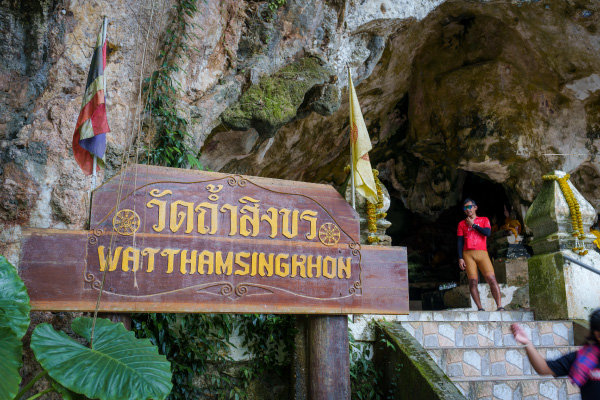
On Day 7 of our Road Cycling Bangkok to Phuket tour, we explore Wat Tham Singkhon in Surat Thani Province. Nestled within a lush limestone mountain in the Kirirat Nikhom district, this ancient cave temple is an incredible blend of natural wonder and centuries-old artistry.
The History and Architecture
Believed to have been built during the Ayutthaya period over 300 years ago, the site has historical roots that go even deeper. Archaeological surveys have uncovered ancient tools revealing that the cave was utilised by humans as far back as the Middle Stone Age and Metal Age. Outside the cave entrance, the temple features a remarkable Srivijaya-style chedi, which is uniquely decorated all over with antique ceramic and porcelain fragments.
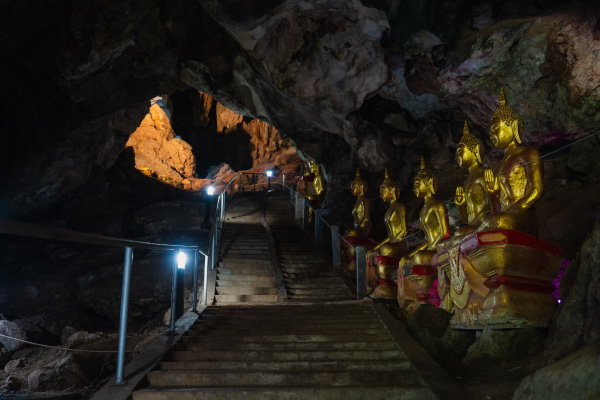
Inside the cavern, the architecture shifts from man-made structures to nature's own design. A well-lit pathway leads past stunning stalactites and stalagmites into the grand cavern halls. Here, a massive ancient stucco Buddha statue sits in serene meditation, surrounded by smaller statues of deities, mythical giants, and intricate ceiling paintings. The natural limestone formations serve as a dramatic, organic cathedral for these sacred artifacts.
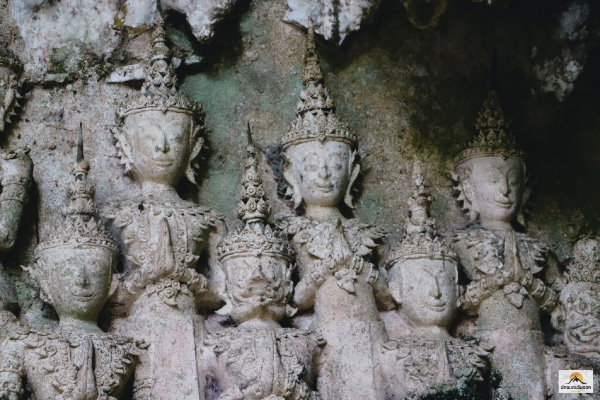 Photo: นักรบตะวันออก
Why It's a Hidden Gem
While Surat Thani sees countless travelers passing through to reach the famous Gulf islands, very few venture inland to explore the Kirirat Nikhom district. Wat Tham Singkhon offers a deeply peaceful, off-the-beaten-path experience. The quiet atmosphere and the spacious, breezy cave allow you to easily navigate the space and appreciate both the spiritual tranquility and the geological magnificence without the heavy crowds typically found at Thailand's more famous shrines.
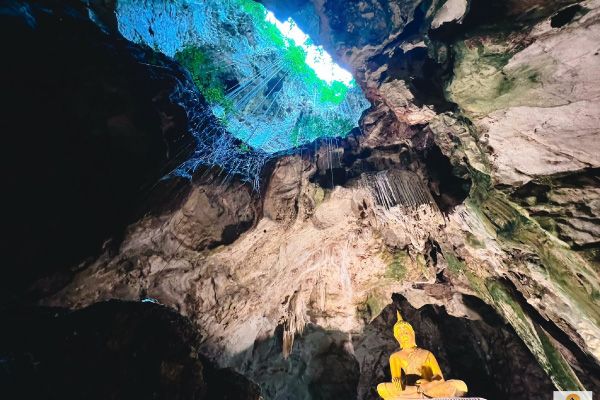 Photo: นักรบตะวันออก
3.Wat Niwet Thammaprawat Ratchaworawihan(วัดนิเวศธรรมประวัติราชวรวิหาร)
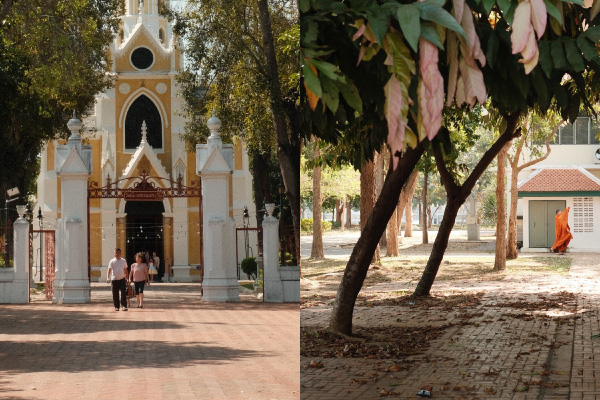
Whether you are cycling south on our Road Cycling Chiang Mai to Bangkok route or exploring historical wonders on our Thailand Heritage by Bicycle tour, one of the most fascinating stops on our itinerary is Wat Niwet Thammaprawat Ratchaworawihan in Ayutthaya. Located on an island in the Chao Phraya River, just south of the Bang Pa-In Royal Palace, this temple is unlike any other in Thailand.
The History and Architecture
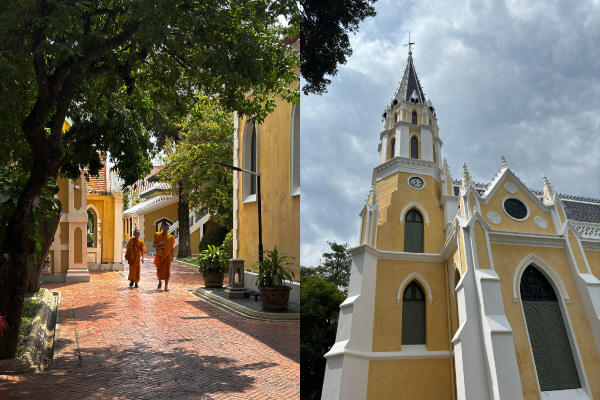
At first glance, you might mistake Wat Niwet Thammaprawat for a traditional European cathedral. Commissioned by King Chulalongkorn (Rama V) in 1878, the temple was designed to serve as the royal temple for the adjacent summer palace. Having traveled extensively, King Rama V was fascinated by European architecture and requested that this Buddhist temple be built in the Gothic Revival style.
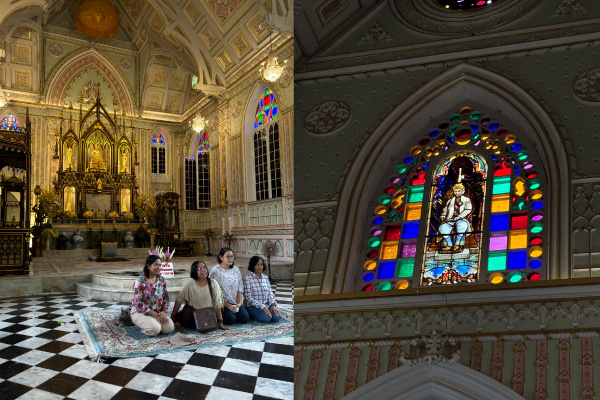
The attention to architectural detail is astounding. The exterior features classic pointed arches, soaring steeples, and stained glass windows. However, instead of depicting Christian figures, the vibrant stained glass above the main entrance portrays King Rama V in royal attire. Inside, the main Buddha statue is enshrined on an altar that perfectly mimics a Gothic church sanctuary, blending traditional Buddhist reverence with 19th-century European design.
Why It's a Hidden Gem
Even getting to the temple is an adventure. Because it sits on a river island, visitors access the grounds by riding a charming cable car across the Chao Phraya River. While many tourists flock to the ancient Ayutthaya Historical Park, Wat Niwet Thammaprawat is often overlooked. This offers a much quieter, more contemplative visit. It is a stunning visual representation of Thailand's modernisation period and a fascinating example of cultural blending.
4.Wat Umong(วัดอุโมงค์)
On Day 2 of our River of Kings Ride, the journey takes us to Wat Umong. Tucked away in the forested foothills of Doi Suthep in Chiang Mai, this ancient sanctuary offers a deeply grounding experience that stands in stark contrast to the glittering gold structures found in the city center.
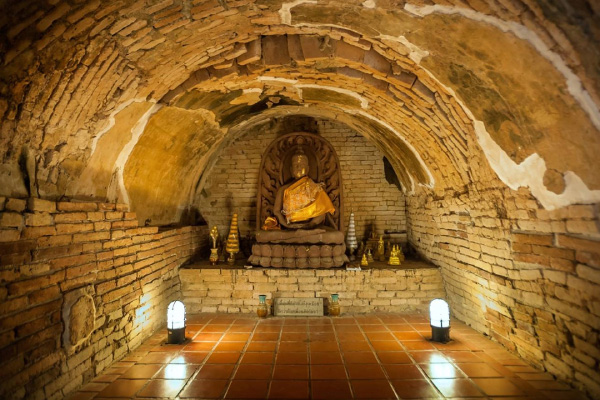 Photo: Thairath
History and Architecture
Dating back over 700 years, Wat Umong (which translates directly to "Tunnel Temple") was founded in 1297 by King Mangrai of the Lanna Kingdom. According to local legend, the king ordered these brick tunnels built specifically for a highly revered but eccentric monk named Thera Chan. The monk had a habit of wandering off into the deep forest to meditate for days, so the king created this labyrinth to give him a safe, peaceful place to roam and practice mindfulness.
Above the tunnels sits a massive, weathered bell-shaped chedi (stupa) that has stood for seven centuries. Inside the dimly lit passageways, you can still see the faint, fading remains of ancient Buddhist murals painted hundreds of years ago. These quiet corridors lead to small shrines where visitors can leave offerings and find moments of quiet reflection.
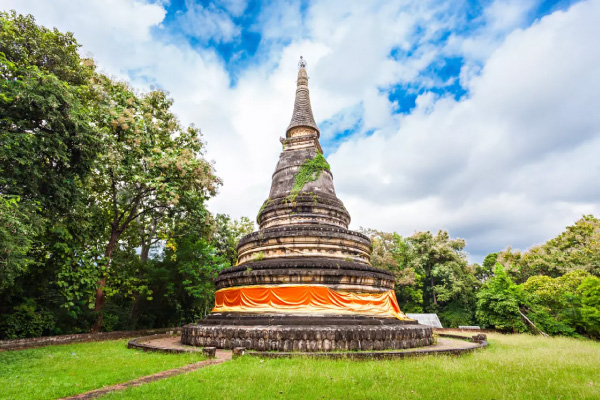 Photo: Thairath
Why It's a Hidden Gem
The entire temple complex sits within a heavily forested area known as Suan Buddha Dhamma, completely enveloped by nature. While most tourists in Chiang Mai head straight for the famous Wat Phra That Doi Suthep at the top of the mountain, Wat Umong remains quietly tucked away at its base. The 700-year-old grounds are dotted with "talking trees" bearing signs with Buddhist proverbs, and there is a large, peaceful pond where you can feed fish and turtles. It is a perfect, shady retreat that feels worlds away from the busy streets of the old city.
5.Wat Si Chum(วัดศรีชุม)
On Day 5 of our Road Cycling Chiang Mai to Bangkok tour, we cycle into the ancient ruins of the Sukhothai Historical Park. While the entire UNESCO World Heritage site is spectacular, the absolute highlight is Wat Si Chum. Walking up to this temple is an indescribably powerful experience. Through a narrow gap in a massive stone wall, a gigantic Buddha gazes out, silently watching as you approach.
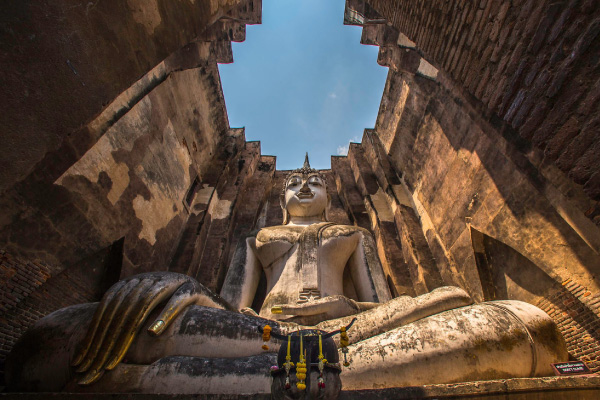 Photo: https://finearts.go.th/sukhothaihistoricalpark
The History and Architecture
Dating back to the late 13th century, Wat Si Chum is defined by its massive, windowless building known as a mandapa (called a mondop in Thai). In traditional Thai architecture, a mondop is a square structure built to house sacred objects, typically crowned with a soaring, multi-tiered spire. At Wat Si Chum, however, the original roof collapsed centuries ago, leaving behind only the towering, cube-like stone walls we see today.
Inside sits Phra Achana, an immense seated Buddha statue measuring 11 meters wide and 15 meters tall. Because the building only has a single, narrow opening at the front, the sheer scale of the statue is perfectly framed and feels overwhelming as you step inside. The Buddha's elegantly tapered fingers point downward to the earth, gently draped in shimmering gold leaf pressed there by generations of devoted visitors.
This temple is also famous for the legend of the "Talking Buddha." The thick walls of the mondop actually contain a concealed, narrow passageway that leads to the top of the structure. According to historical lore, ancient kings would send a person up into this hidden corridor to speak out to the gathered soldiers below. Believing the voice belonged to the Buddha himself, the troops were instantly filled with courage and morale before heading into battle.
Why It's a Hidden Gem
Sukhothai Historical Park is highly celebrated, but Wat Si Chum is located in the North Zone, which is situated outside the old city walls. Many casual tourists stick only to the central ruins and skip this outer section entirely. By venturing just a bit further, you get to stand face-to-face with one of Thailand's most breathtaking ancient sculptures in a much quieter, more intimate setting. It is the perfect grand finale to any temple-hopping journey through Thailand.
Ready to discover these remarkable destinations for yourself? Experience these incredible sites on two wheels by exploring our collection of Bicycle Tours in Thailand today.


