


We’ve always believed that learning a few words of the local language can transform your travel experience. Before packing for your tour in Japan with us, take a moment to learn these handy phrases—trust us, you’ll be using them constantly.
Japan is a culture defined by courtesy. You’ll see it in the gentle bow of a shopkeeper as you leave, the farmer who pauses to wave as you pass, and the innkeeper waiting at the door at the end of a long day. While quiet and understated, these small gestures carry deep meaning—and making an effort with the language is always noticed and appreciated in return.
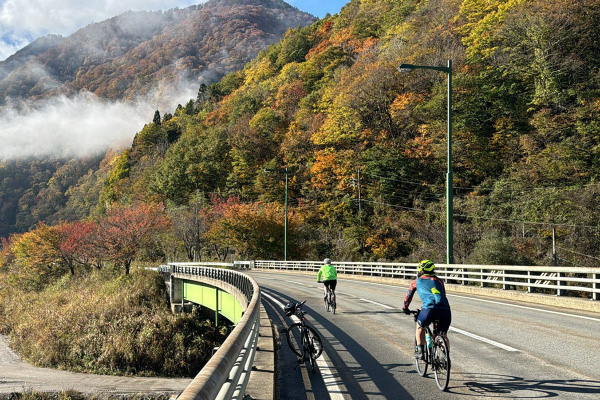
The good news is that Japanese is surprisingly beginner-friendly. While the written script can feel intimidating, spoken Japanese is straightforward: it isn't tonal, vowels are always pronounced consistently, and words sound just as they are spelled in romaji. Keep your speech even and steady, as Japanese doesn't use strong word stresses like English. The "u" at the end of words like desu and -masu is barely pronounced—making desu sound like "dess"—and a vowel with a macron (ō) is simply held for an extra beat. Speak slowly, smile, and you'll easily get your point across.
Let’s get started.
FIRST, GOLDEN RULE: Sumimasen and Onegaishimasu
If you learn only two words for your trip, make sure it’s these.
• Sumimasen (soo-mee-mah-sen) — すみません
This is the literal Swiss Army knife of Japanese words. It translates to "excuse me," "sorry," or even a thoughtful "thank you for your trouble." Use it to catch a waiter's attention, squeeze past someone on a narrow path, or show appreciation when a stranger goes out of their way to help.
• Onegaishimasu (oh-neh-guy-shee-mas) — お願いします
This is the polite word for "please." Add it to any request—whether ordering a glass of water or asking for directions—and it instantly makes your interaction warm and respectful.
With just these two essential expressions, you’ll comfortably navigate dining, seeking help, and sharing everyday moments of gratitude throughout your journey.
THE BASICS
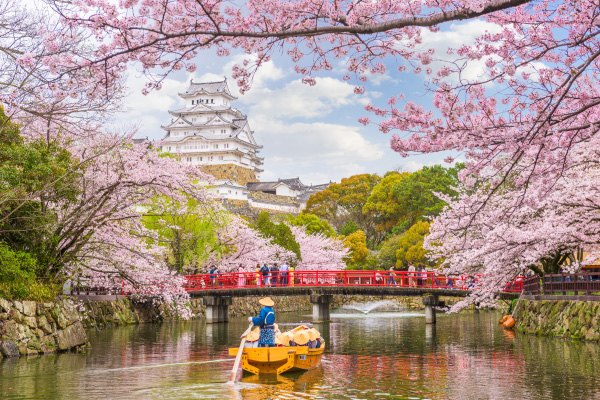
Good morning / Hello / Good evening
• Ohayō gozaimasu (oh-hah-yoh go-zai-mas) — おはようございます • Konnichiwa (kon-nee-chee-wah) — こんにちは • Konbanwa (kom-bahn-wah) — こんばんはSince our cycling days often start early, ohayō gozaimasu will likely be the greeting you use most. A simple, polite nod is all the bow you need.
Thank you
• Arigatō gozaimasu (ah-ree-gah-toh go-zai-mas) — ありがとうございますThis is the full, polite version—and one you'll find plenty of occasions to use.
Yes / No
• Hai (hi) — はい / Iie (ee-eh) — いいえ
While useful to know, direct answers aren't common in Japan. Instead, you'll often hear a gentle pause followed by chotto… ("it's a little…"), which is a polite way of saying no.
It's fine / I'm OK
• Daijōbu desu (dye-joh-boo dess) — 大丈夫です
This is the perfect phrase to reach for whenever someone checks on you—whether you're offered a hand with your gear, catching your breath after a tough climb, or catching your composure after trying a bit too much wasabi. Said with a warm smile, it lets everyone know you're in good hands.
ON THE BIKE AND THE ROAD
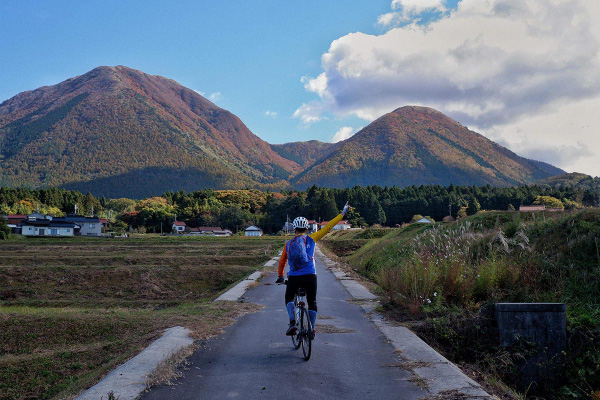
Japan's back roads are quiet, beautifully kept but should you ever need help navigating, these words will earn their keep in a pinch.
Left / Right / Straight on
• Hidari (hee-dah-ree) — 左 / Migi (mee-gee) — 右 / Massugu (mahs-soo-goo) — まっすぐ
The essentials for following a helpful local's directions, which will often come with enthusiastic pointing and, occasionally, a hand-drawn map. Where is…?
• …wa doko desu ka? (…wah doh-koh dess kah) — …はどこですか
Put the place in front: Toire wa doko desu ka? (toy-reh wah doh-koh dess kah) — "Where's the toilet?" is one to have ready.
Is it far?
• Tōi desu ka? (toh-ee dess kah) — 遠いですか
Follow up with Nan kiro desu ka? (nahn kee-roh dess kah — 何キロですか) — "How many kilometres?" — for an answer you can plan your legs around.
Uphill / Downhill
• Noborizaka (noh-boh-ree-zah-kah) — 上り坂 / Kudarizaka (koo-dah-ree-zah-kah) — 下り坂
One of these words will make you smile. The other depends on how your legs are feeling.
I have a puncture
• Panku shimashita (pahn-koo shee-mash-tah) — パンクしました
Borrowed from the English "puncture", and understood everywhere. Hopefully you'll never need it, but your guide will be glad you know it.
Slowly, please
• Yukkuri onegaishimasu (yook-koo-ree oh-neh-guy-shee-mas) — ゆっくりお願いします
Useful when someone kindly answers your carefully rehearsed question a bit too fast.
FOOD & DRINK
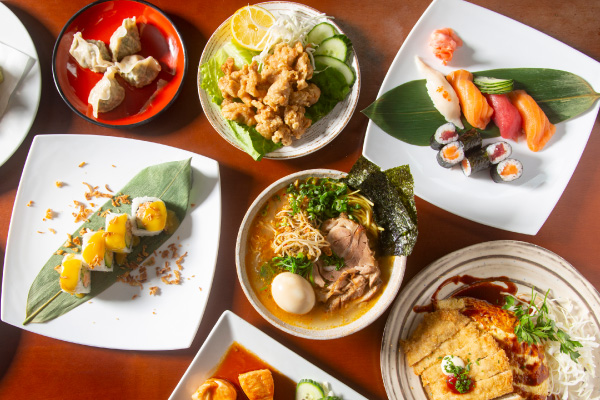
Riding in Japan is also an education in eating well. Noodle counters, family-run restaurants, the evening feast at a country inn: a few words make every meal a little warmer.
Before and after eating
• Itadakimasu (ee-tah-dah-kee-mas) — いただきます • Gochisōsama deshita (go-chee-soh-sah-mah desh-tah) — ごちそうさまでした
Offered before the first bite and after the last, these thoughtful phrases express genuine appreciation for the meal and everyone who helped prepare it. Sharing them at a local, family-run eatery is a wonderful way to connect and will always bring a warm smile.
Delicious
• Oishii (oy-shee) — 美味しい
Simply add desu to make it extra polite, or put totemo in front for "very"—a expression you'll find plenty of reasons to use.
What do you recommend?
• Osusume wa? (oh-soo-soo-meh wah) — おすすめは?
It’s the ideal choice when there’s no English menu in sight—and often the secret to discovering the chef’s personal favorite dish.
Water, please
• O-mizu onegaishimasu (oh-mee-zoo oh-neh-guy-shee-mas) — お水をお願いします
Iced water is usually brought to the table free of charge, and refilled without asking.
Cheers!
• Kanpai! (kahm-pie) — 乾杯
For the end of the day, when the bikes are racked and the first cold drink arrives.
I don't eat meat or fish
• Niku to sakana wa taberaremasen (nee-koo toh sah-kah-nah wah tah-beh-rah-reh-mah-sen) — 肉と魚は食べられません
Worth writing down if you're vegetarian. Many Japanese dishes are built on dashi, a stock usually made with fish, so it's best to mention this to your guide before the tour too.
AT THE SHOPS & ONSEN
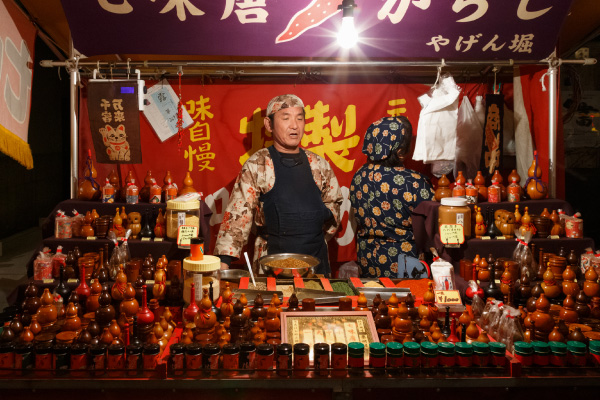
How much is it?
• Ikura desu ka? (ee-koo-rah dess kah) — いくらですか
Prices are fixed and bargaining isn't customary, so this is simply to help you keep track of your budget. Tipping isn't expected in Japan either—a warm smile and a sincere arigatō gozaimasu are all the appreciation you need to offer.
I don't need a bag
• Fukuro wa iranai desu (foo-koo-roh wah ee-rah-nai dess) — 袋はいらないです
This comes in handy at convenience stores—places you’ll quickly come to love as some of the best snack stops on earth.
That was a lovely bath
• Ii o-yu deshita (ee oh-yoo desh-tah) — いいお湯でしたAfter a rewarding day in the saddle, nothing beats sinking into the warm waters of an onsen hot spring. Mention this to your innkeeper on the way out, and you'll instantly sound like a local.
ONE MORE FOR THE END OF THE DAY
• Otsukaresama deshita (oh-tsoo-kah-reh-sah-mah desh-tah) — お疲れ様でした
While there isn't a direct English translation, it essentially means "thank you for your hard work" or "great job today." It’s spoken between colleagues, teammates, and friends after sharing an effort. At the end of a big ride, as everyone gathers, tired and satisfied, it’s the perfect phrase to share with your fellow cyclists.
You Don't Have to Get It Right
No one expects you to be fluent, and that is precisely why any attempt goes such a long way. You might mix up your words, stumble over pronunciations, or inadvertently say "good morning" as the sun sets—and that is completely fine. What people will truly appreciate is your sincere effort to connect.
At its heart, learning a few phrases isn't about perfection; it’s about those genuine moments of connection. It’s the welcoming smile from an innkeeper, a warm gesture from a local chef, or a friendly stranger guiding you along the right path. A few thoughtful words can transform an ordinary journey into an unforgettable experience. Ready to put your new vocabulary to work? Explore our Japan tours and we’ll see you in the saddle soon.


