


There’s a moment on every ride in Tanzania, Uganda, and Madagascar when the group goes quiet. Someone up front lifts a hand, the wheels slow, and everyone looks the same way. It might be a giraffe watching from behind an acacia, a herd of buffalo blocking the track, or a lemur staring down from the bamboo as if you’re the strange one.
Our tours in Uganda, Tanzania and Madagascar give you the best of both worlds: days in the saddle through villages and open countryside, plus game drives, boat cruises and guided hikes to get you close to the wildlife. Here’s what you can hope to see on each one.
As always with wild animals, sightings can’t be guaranteed, but these routes are planned to give you the best chance.
Uganda: Cycling the Wilds of Uganda
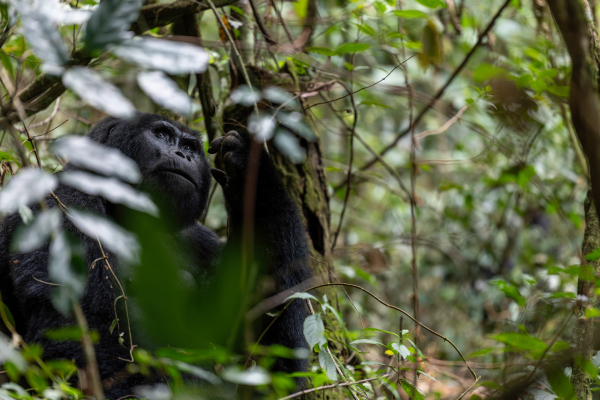
Gorillas in Bwindi Impenetrable Forest
Few wildlife experiences anywhere compare to this one. Bwindi Impenetrable Forest is home to nearly half of the world’s remaining mountain gorillas, and on day seven we put the bikes away to go and find them. With a ranger leading the way, the trek can take anywhere from one to four hours, on steep, muddy slopes through thick, tangled forest. Then, suddenly, there they are: a family group feeding, grooming and dozing, the young ones tumbling through the undergrowth while a huge silverback keeps an eye on everything. You’ll spend up to an hour with them. Most people say it’s the hour of the whole trip they’ll never forget.
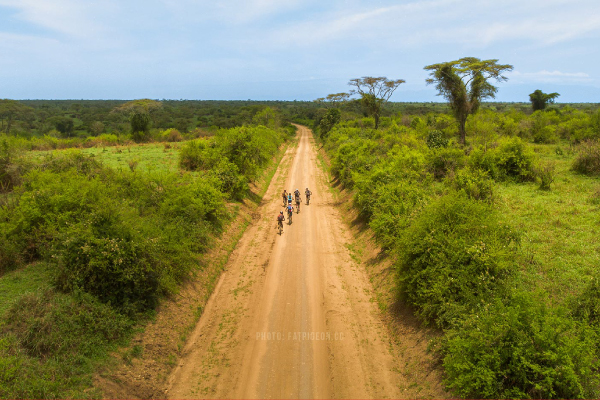
Savanna and Big Game
Before the forest comes the open savanna of Queen Elizabeth National Park. An open-vehicle game drive goes looking for elephants, buffalo, giraffes, antelope and leopards, and for the park’s most famous residents: the tree-climbing lions of the Ishasha sector, which lounge in the branches of fig trees to escape the heat. The next day, we get back on the bikes and ride 75 kilometres through the park on a wide gravel road, where buffalo, zebras, antelope, giraffes and even elephants are often seen from the saddle. Later in the trip, at Lake Mburo National Park, we cycle through the grasslands among zebras, impalas, warthogs, buffalo and giraffes, a park where you can ride among the animals and not just watch them through a window.
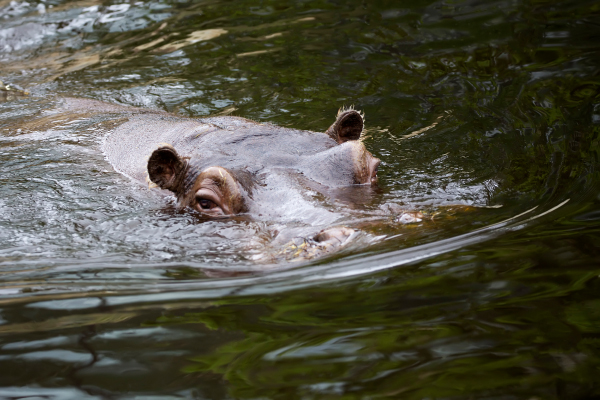
Hippos, Crocodiles and Birds of Prey
Uganda’s waterways are just as busy. A boat cruise along the Kazinga Channel, which links Lake Edward and Lake George, brings you close to pods of hippos half-submerged in the shallows, crocodiles basking on the banks and birds of prey hunting overhead. At Lake Mburo, the same scene plays out on a smaller scale: hippos in the shallows and crocodiles watching from the reeds.
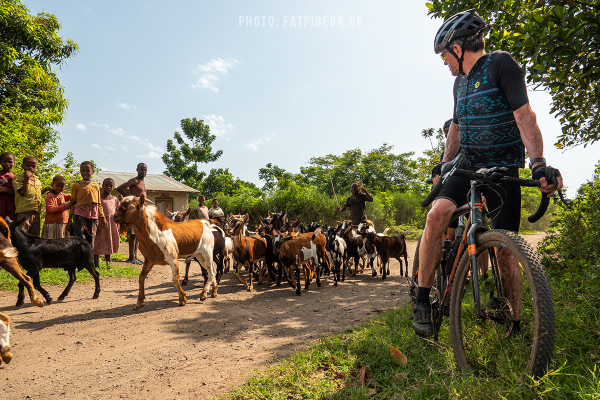
Life on the Country Roads
Not all of Uganda’s animals are wild. Between the parks, our routes follow red dirt roads through villages, tea estates and terraced hills, where herds of cattle and goats are a constant presence, ambling along the verges or crossing in no particular hurry. Some of the warmest welcomes on the trip come from the people herding them.
Tanzania: Cycling Kilimanjaro to the Ngorongoro Crater
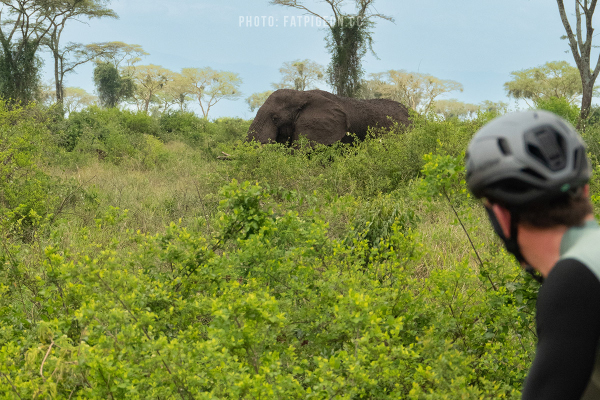
The Big Five
Tanzania is classic safari country, and both of our tours here set out from the foothills of Kilimanjaro. On Cycling Kilimanjaro to the Ngorongoro Crater, the trip ends with a full-day game drive on the floor of the Ngorongoro Crater, the world’s largest intact volcanic caldera. Its walls form a natural enclosure that’s home to all of the Big Five: lions, elephants, buffaloes, leopards and the critically endangered black rhino, which is one of the rarest and most rewarding sightings in Africa.
On Cycling Kilimanjaro to the Indian Ocean, a game drive in Mkomazi National Park offers another chance to see black rhinos, along with elephants, lions and leopards. Further along the coast, Saadani National Park, where the bush meets the sea, has a rare bonus: an eight-kilometre safari by bike through the home ground of elephants, buffaloes, lions and leopards.
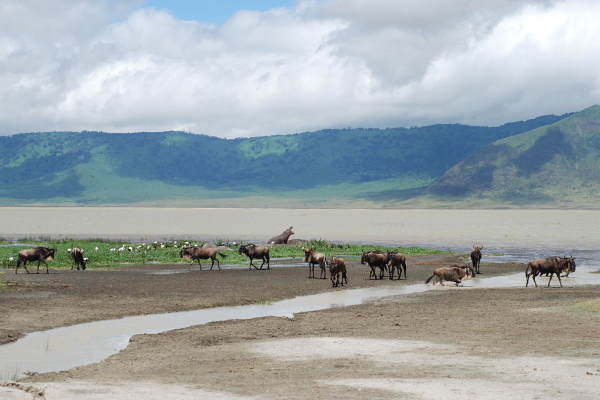
Savanna Wildlife
Beyond the Big Five, Tanzania’s plains are full of life. Mkomazi is one of the best places to look for African wild dogs, one of the continent’s most endangered predators, as well as giraffes and gazelles. On the ride towards Lake Manyara, we may pass herds of buffalo and wildebeest or troops of baboons by the roadside. In Saadani, an early start gives a good chance of spotting zebras, warthogs and buffalo grazing in the morning light before the heat sets in.
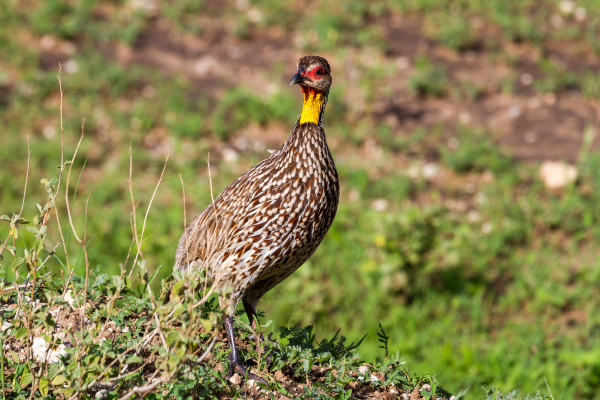
Birds of Tarangire
Tarangire National Park is famous for having some of the largest elephant herds in Tanzania, roaming among ancient baobab trees, along with lions, zebras and giraffes. Keep your binoculars handy, though: the park is home to hundreds of bird species, from flashes of colour in the acacias to raptors circling high above the plains.
Madagascar: Bike and Hike Wild Madagascar
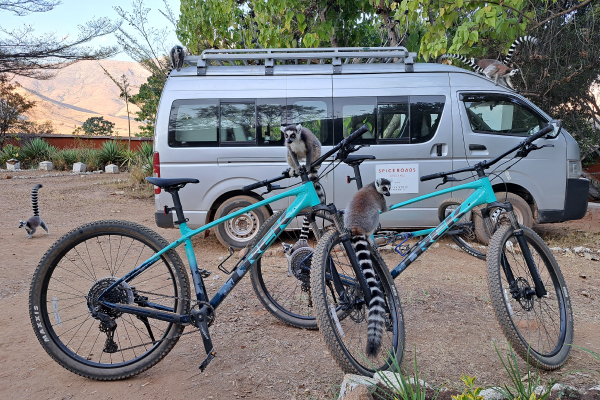
Lemurs, Lemurs, Lemurs
Madagascar split from the African mainland millions of years ago, and around 90 percent of its wildlife is found nowhere else on Earth. Its best-known residents are lemurs, and this tour is ideal for finding them. In Ranomafana National Park, a forest hike goes in search of golden bamboo lemurs, a flame-orange species that was only discovered in 1987. That evening, a night walk with torches turns up tiny, wide-eyed mouse lemurs darting through the undergrowth.
Further south, the granite boulders of the community-run Anja Reserve are home to a large population of ring-tailed lemurs, which sunbathe on the rocks and leap between them with their striped tails held high. Then, in the sandstone canyons of Isalo National Park, watch for Verreaux’s sifakas, the famous “dancing lemurs”, which cross open ground by bounding sideways on their hind legs, arms raised, like dancers moving across a stage.
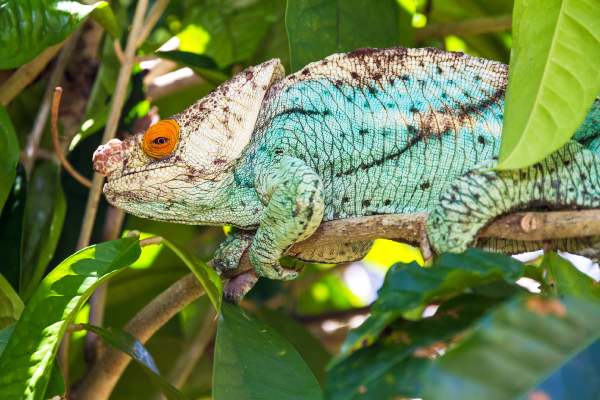
Chameleons and Small Wonders
Madagascar is home to around half of the world’s chameleon species, and the Ranomafana night walk is the best time to see them, asleep and pale on the tips of branches.
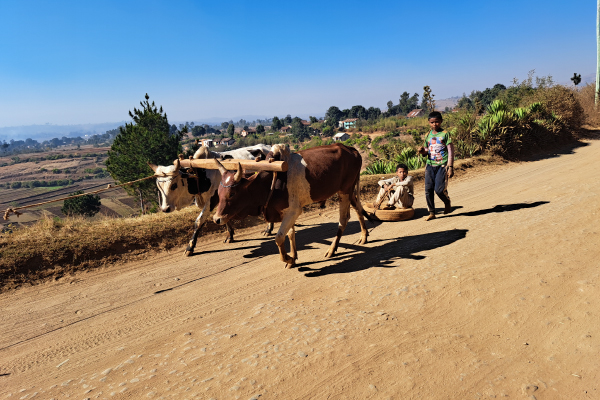
Zebu on the Road
The island’s most common large animal isn’t wild at all. Humped zebu cattle are everywhere in Madagascar, and herds crossing the RN7 are a regular sight from the saddle. On the wide grasslands of the Horombe Plateau, you’ll see them driven by the Bara people, the country’s most prolific zebu herders, for whom cattle are a measure of wealth and status. In Ambalavao, a hub of the zebu trade, you’ll see just how central they are to life here.
For a closer look at this tour’s wildlife, read our blog 6 Wildlife Encounters on Our Madagascar Bike and Hike Adventure.
See the Wild Up Close
From mountain gorillas in the mist to lemurs on the rocks and black rhinos in the crater, these three countries offer some of the most remarkable wildlife encounters on the planet.


