


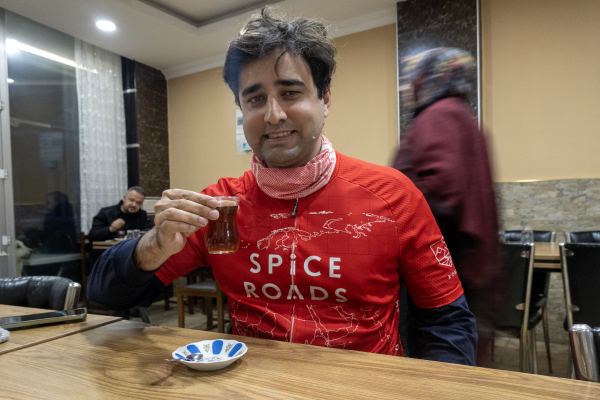
Türkiye has the highest tea consumption per capita in the world. The average Turk goes through about 3.5 kilograms of tea leaves a year — that’s 3 to 5 glasses every single day. Once you’ve cycled through the country, this statistic won’t shock you; in fact, it might seem too low! That’s because in Türkiye tea is much more than just a drink. Always brewing on every stove and served in a tulip-shaped glass, the country's universally beloved rosy red brew is an invitation to stay, to warm up, to wake up, and to slow down. On our newest Türkiye cycling tour, Cappadocia to the Mediterranean by Bicycle, tea is the great unifier in a landscape of staggering diversity spanning mountains to sea and eons of history. Let that humble glass be our anchor as SpiceRoads Manager Sidney, who visited Türkiye in March 2026, gives you a virtual taste of this incredible adventure. Scheduled tours are available for booking in 2026 and 2027.
Ancient Cappadocia
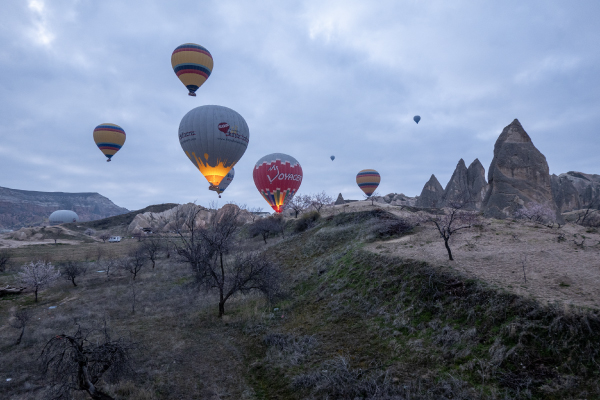
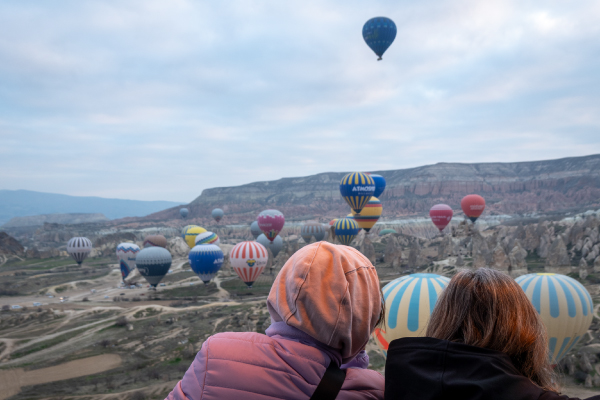
You’ve seen the pictures of hot air balloons floating above a red hued terrain of uniquely shaped rock pillars and craggy escarpments. Cappadocia is world famous and no stranger to tourism, but there’s so much more than meets the eye. You just have to know where to look and be willing to sweat a little. Here’s how, on our newest tour in Türkiye, you will see Cappadocia differently!
Mustafapaşa Village: The Quiet Base
Most people head from the airport in Kayseri straight to Göreme or Ürgüp — the main tourist hubs of Cappadocia — to begin ticking off the list of attractions. We take a different approach: we spend our first night in Kayseri and cycle south, slowly raising the curtain on Cappadocia’s magical landscape before basing ourselves in the village of Mustafapaşa. Once known as Sinasos, its 19th-century Greek merchants amassed fortunes selling caviar in Constantinople and sent the money home to build lavish mansions. Though the Greeks left during the population exchange of 1923, their grand stone residences remain; some stand as silent reminders of a bygone era, while others have been beautifully restored as heritage hotels. We stay at one of these for three nights, the perfect launchpad and retreat for our action-packed days in Cappadocia.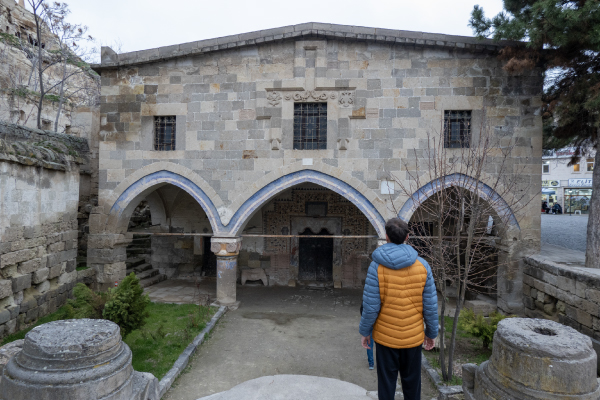
Rock-Cut Fairyland: The B-Sides
Four days might seem like a long time to spend in one location on a ten-day bike tour, but believe us: to experience Cappadocia at its best and at a comfortable pace, it is essential. Comprising a vast area of otherworldly rock formations, deep valleys, and craggy escarpments, the region is a treasure trove of geological and human history. No sight is more emblematic than the so-called ‘fairy chimneys’, layer cakes of volcanic deposits eroded by wind and rain over millions of years to leave behind oddly shaped pillars. People realised long ago that the soft rock of Cappadocia was easily workable, resulting in a historical record cut into stone that spans millennia. On our tour, we of course play you the hits that draw droves of visitors to this rock-cut fairyland each day, such as the UNESCO World Heritage-listed Göreme Open Air Museum and the Derinkuyu Underground City. But by the end of it, it will be the lesser-known sites we have visited — the B-Sides of Cappadocia — on repeat in your head! Let’s take a sample of some of our favourites.Özkonak Underground City
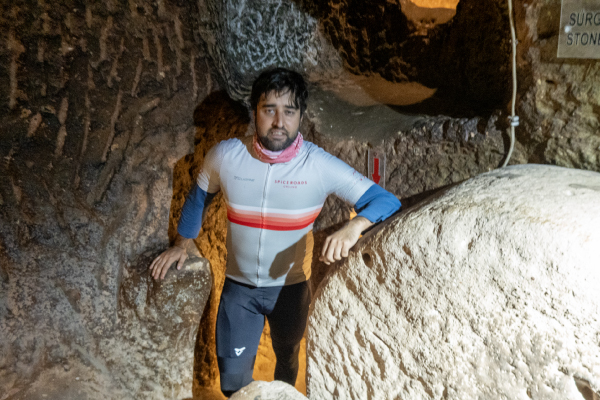
- Carved into the soft volcanic rocks, Özkonak features stables, wine cellars, and living quarters used primarily by early Christians sheltering from war and persecution. It is tiny compared to the more heavily visited Derinkuyu, but the more intimate atmosphere conveys the weight of the history, and you don’t have to dodge crowds to get a photo with an iconic rolling stone door.
Golgoli Tepesi
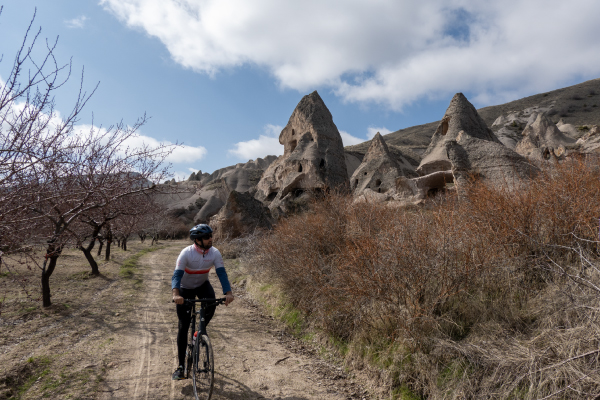
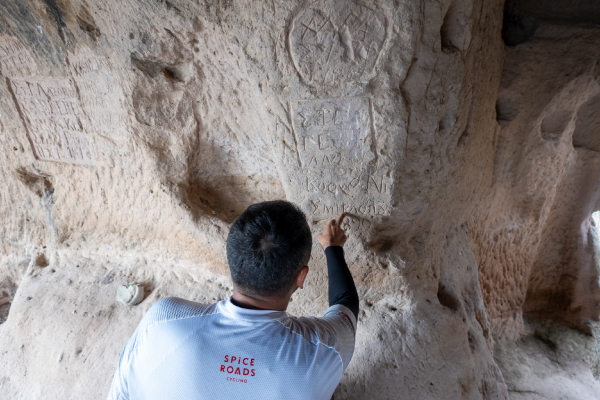
- Located on a hill just 10 km outside of Mustafapaşa lies an abandoned 19th-century hangout spot, chiseled into fairy chimneys for the wealthy Greek merchants who lived nearby. Perfectly accessible by bike via quiet dirt roads past walnut trees, you can be assured that none of the big bus crowds turn up here, giving us peace and quiet to reflect on Cappadocia’s landscapes and history.
Soğanlı Valley
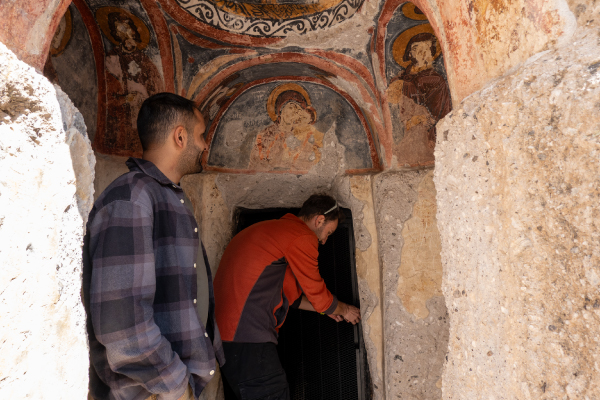
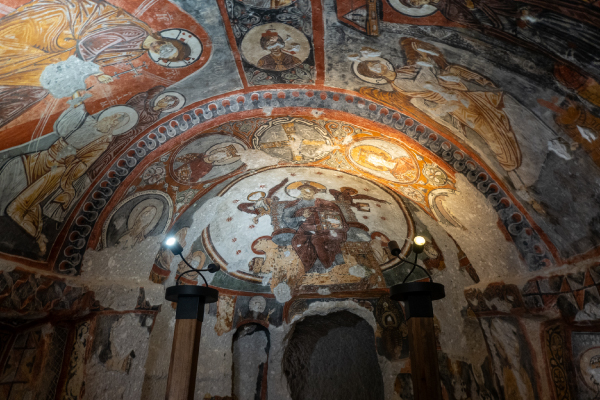
- The end point for Day 3’s ride, Soğanlı Valley is an outpost of old Cappadocian charm that you won’t find in the more popular tourist areas. It’s the kind of place for a slow lunch in an apple orchard between weathering cliffs, followed by a visit to a rock-cut church with beautiful medieval frescoes that you need a key to get into.
Gomeda Valley
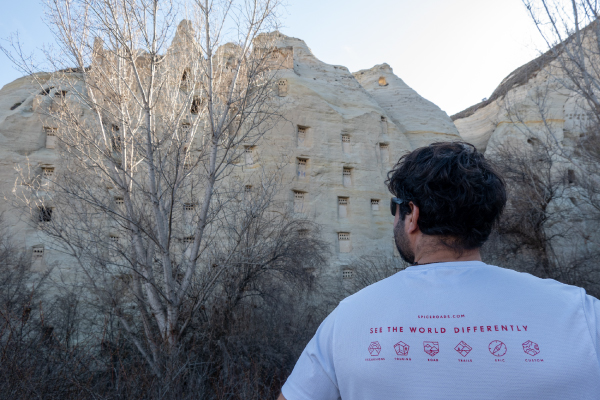
- If you fancy a hike to complement the cycling in Cappadocia, then Gomeda Valley is our top pick. Just a few minutes drive from Mustafapaşa, a gentle 5 km stroll takes you through a lush canyon of towering poplar trees and sheer, limestone walls honeycombed with ancient pigeon lofts. Compared to the more popular trails in the Red or Ilhara valleys, Gomeda provides secluded discovery just a stone’s throw from our home base.
The Hot-Air Balloons: Yay or Nay?
We leave the choice to you. For some, it is an uncompromisable bucket-list item; for others, an expensive loss of sleep. To help you decide, here are the essential details:
- The Early Start: It’s a 4:30 AM pick-up to be in the air by 6:00 AM. Coffee, tea, and a light breakfast are served at the base before you head to the take-off site. You’ll spend 60 minutes in the air and be back at the hotel by 8:00 AM — still plenty of time for a proper breakfast before we start cycling.
- The Weather Gamble: There is roughly a 20% chance of cancellation on any given day. The Civil Aviation Authority makes the final call each morning based on wind and safety. We schedule joining a flight for our first morning in Cappadocia so that if it is cancelled, you have two further mornings as a back-up. (Another reason why three nights here is the sweet spot!)
- Pricing & Payment: Prices fluctuate with demand; expect to pay between €150–€250 per person during the high season. Because of this and the chance of cancellation, we don’t take payment upfront. If you wish to fly, let us know at least one month before the tour so we can secure your spot. You will pay the balloon company directly in cash the evening before. If the flight is cancelled, you can choose between rolling over to the next day or receiving a full refund.
- The Comfort: It’s cold up there, so make sure to bring layers. Also, keep in mind that baskets hold up to 25 people; they are sub-divided into smaller pockets for up to four people, so it can feel a little snug.
- Our "Hot Take" (pun intended): While the view from a hot-hot balloon is stunning, we find we connect even more deeply with Cappadocia’s iconic landscape by bike. The true magic of the experience is being part of a choreographed spectacle with an armada of balloons bobbing up and down in the dawn light and gliding close to the fairy chimneys and cliffs of the valleys below. If that sounds like your cup of tea, then go for it.
- The Middle Ground: If you’d rather watch the spectacle than be in it, viewing from the ground is always an option. The SpiceRoads team can arrange an early morning transfer to a prime viewpoint.
Spiritual Konya
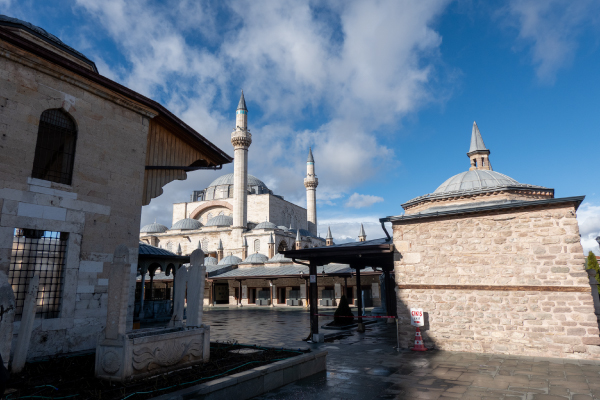
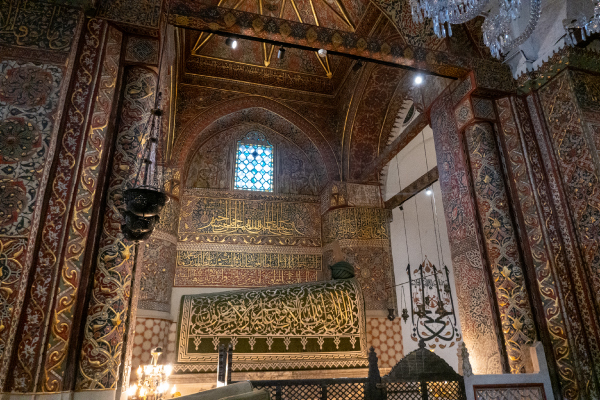
You won’t find Konya on the itinerary of many adventure tours in Türkiye but, for us, it is the perfectly situated stopover as we begin our transition from the Anatolian plateau to the coast. Once the capital of the Seljuk Sultanate — Türkiye’s first Islamic powerhouse in the 11th to 13th centuries — Konya still retains a proud heritage rooted in centuries of conservative tradition and scholarly devotion. While it’s not the kind of city where you sit on a terrace with a glass of wine in the evening, it offers a unique sensory vibe where the droning hum of the call to prayer from countless mosques blends into a heady atmosphere.
The Road to Lake Beyşehir
The tour’s longest ride, at 85 km, is a dreamy journey across the Anatolian plateau. It’s a world of slender poplars and rolling wheat fields framed by the snow-capped peaks of the Taurus Mountains. It’s the kind of ride which, though it is long, feels less like a challenge and more like an unhurried spin deep into a country’s rural heartland. And, of course, there are regular refreshment breaks with tea and tasty treats in the villages that line our path.
The Taurus Mountains
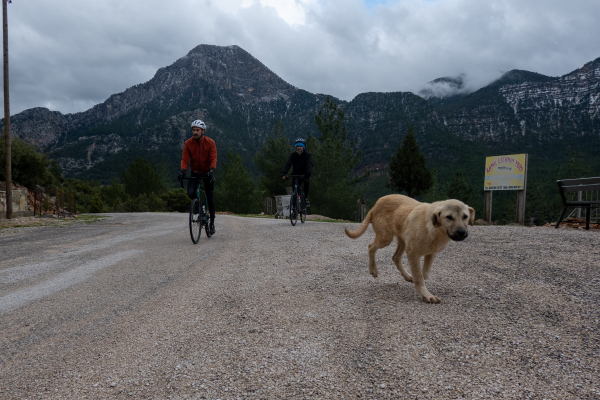
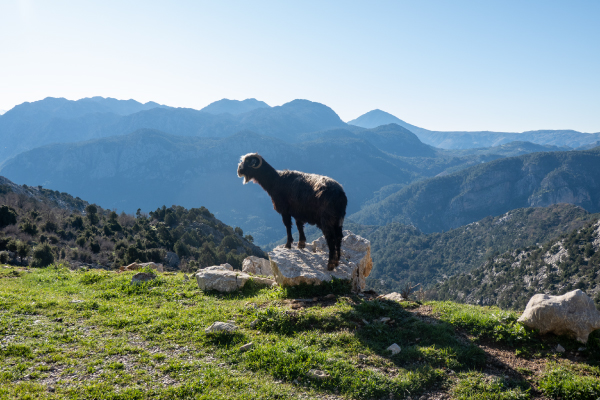
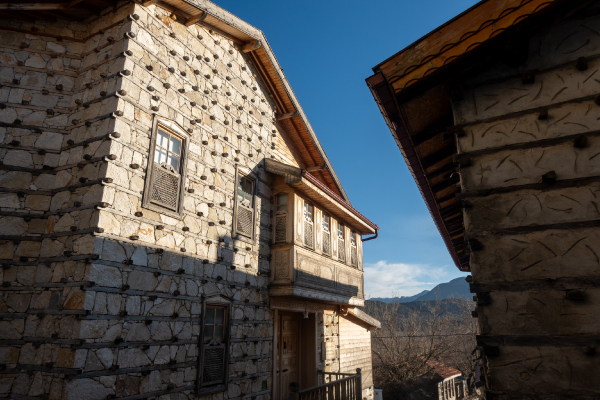
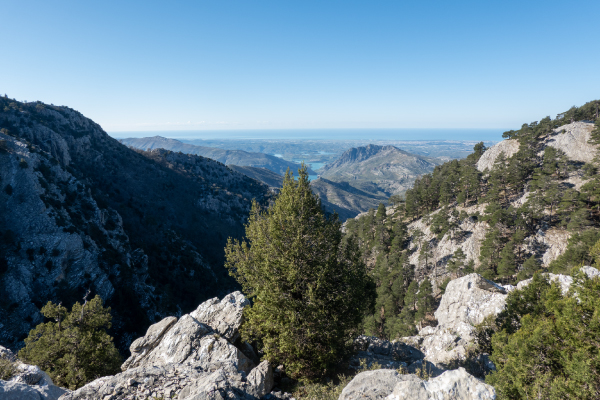
Türkiye’s most extensive mountain range stretches 1,500 km across the south of the Anatolian Peninsula, forming a dramatic limestone barrier between the interior and the sea. There’s no way to avoid these lofty peaks on our way to the Mediterranean – but then again, why would we want to? Days 7 and 8 of our tour take us on quiet backroads through the heart of the Taurus Mountains. Pine forests, rocky outcrops, highland villages filled with unique “button houses”, and herds of goats protected by shepherd dogs define the scenery.
‘Mare Nostrum’ – The Roman Mediterranean
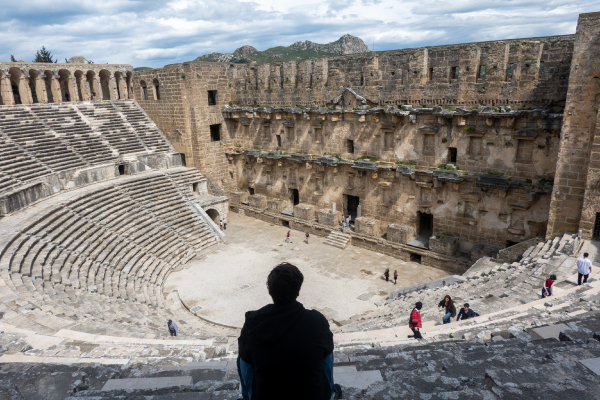
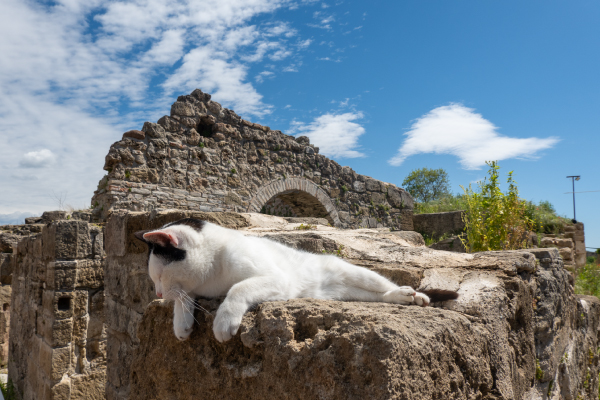
At the height of the Roman Empire, between 27 BC and 180 AD, the entire Mediterranean was controlled by the galleys and ports of the Caesars. They called it 'Mare Nostrum' – Our Sea – and we spent the last two days of our tour in a region still filled with the remnants of this time. Today, the so-called Turkish Riviera is a prime beach destination and there’s no shortage of classy resorts to base ourselves in — though we’re not here to bike & flop! Instead, we discover the labyrinthine ruins of Side, cycle through citrus orchards in the countryside, and visit the world’s best-preserved ancient theatre at Aspendos. Time to chill and eat delicious Mediterranean seafood is, of course, also factored in.
The Antalya Farewell
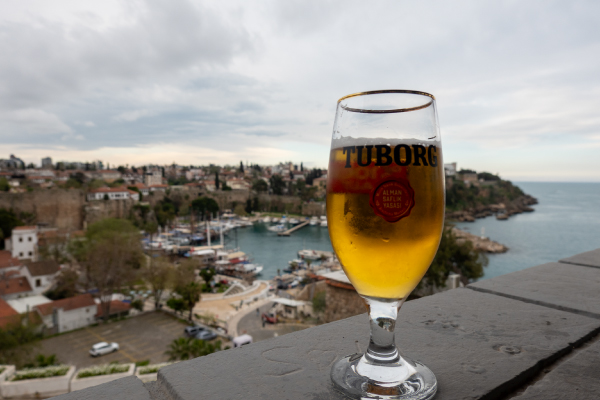
The tour ends on day 10 with drop-offs in Antalya, the gateway to the Turkish Riviera. For those heading home, Antalya has a well-connected international airport (AYT) with many daily flights to Istanbul and select destinations in Europe and the Middle East. However, if you have an extra day or two to spare, you can’t go wrong hanging out in this vibrant, worldly city. Antalya’s old town — a maze of cobblestone streets tucked above the ancient harbour — is a delight to explore, with boutiques, museums and cafes to browse during the day, and restaurants and bars with live music to stumble into at night.
Head to the tour’s website here and sign up for your preferred date in 2026 or 2027. You can also book this tour as a private departure – just get in touch at info@spiceroads.com and we’ll make it happen!


