If this is the tour for you here's what you need to do to confirm your place:
FLEXIBLE BOOKING CONDITIONS
Booking a SpiceRoads cycling adventure is easy and we try to do everything possible to make sure you have full flexibility and peace of mind. We do not require a deposit to hold your place on a tour and once full payment has been made your money is protected in our client account and you have the flexibility to cancel or change your booking if needed.
CONFIRMING YOUR BOOKING
Just complete our online booking form or send your booking details offline (email or post), and we will confirm your participation. No deposit is needed to confirm your place on a SpiceRoads tour.
You are advised to read our Booking Conditions in full before you make your payment and should you require further clarifications of any of the conditions below, please email us or call our office.
TRIP STATUS
There is a minimum number of participants (usually 2) required to enable the trip to go ahead. Once the minimum number is reached, the trip status will change from 'Available' to 'Guaranteed to Depart'. Once a trip is guaranteed to depart you are free to book your flights and make other travel arrangements. If the trip status is ‘Limited’ will mean we have only a small number of spaces available for booking. If you are unsure about the trip status, please email us or call our office.
BOOKING ONLINE
From the tour page, click the 'Book Now' link. All departures for this tour will appear, just select the date you'd like to travel. For the next steps, you'll need to know the names of the people travelling. If you wish you can also provide extra details such as passport numbers, height (for bike hire), or you can add that later by logging into Manage My Trip (we'll set up an account for you automatically if you don't already have one). Our system will contact you from time to time to fill in the missing information, as it will be required before departure. However, if the trip that you are booking offers a child discount, you will have to fill out the date of birth of each rider (so we can calculate the appropriate discount).
If you are having any problems please send us an email, or give us a call (+66 026 3295) and one of our travel specialists will assist you with your booking.
BOOKING OFFLINE
Just call us or send an email indicating which trip you want to join and we will happily send you a list of questions and process your booking for you.
DEPOSITS AND PAYMENTS
We do not require a deposit or full payment to book a place for you on a tour.
The balance of the tour’s cost (final invoice) will need to be paid 60 days before the departure date with fees for any bicycle rental(s), single supplement(s) and extra hotel nights.
In the case where a booking is made when there are less than 60 days until the tour departure date, the tour’s cost should be paid in full within 72 hours of receiving an invoice from SpiceRoads. Payment can be made by credit card using our online payment gateway or by bank transfer. When making payment online you will need to confirm that you have read these booking conditions during the "checkout" process, which equates to agreeing to the terms of services and stipulations as indicated in this document.
In all cases, tour fees need to be paid “in full” before participation in a tour. No person(s) will be allowed to join a tour without fully settling their invoice and receiving a confirmation number from SpiceRoads.
The exception can be made for last-minute miscellaneous fees that can be paid locally (visas, additional local hotel bookings, etc.) can be settled on the day of arrival.
FULL FLEXIBILITY FOR TOUR CANCELATIONS
If the tour is cancelled or postponed by SpiceRoads because we didn't make the trip numbers and the tour can’t run, we will make a full cash refund (by bank transfer or on your credit card).
If the tour is cancelled for any other reason, including due to Covid related travel restrictions, we will give you a full credit (with no deductions for admin or any other small-print item) to use on any SpiceRoads tour with no time limit. (Exceptions being flights, special permits and other non-refundable items and these will be advised when booking the trip).
Before paying for your tour, you can cancel your booking with no charge and up until 40 days before departure, you can change your booking to another travel date or move your booking onto another SpiceRoads tour with no charges.
If you need to cancel after you have made full payment, please see our cancellation policy.
Loyalty Riders Club
For those who have been on several long tours with us, we reward customer loyalty by offering repeat customers a special discount off the tour price (excludes single supplement and bike rental). If this is your fourth scheduled tour or more you will receive a 5% discount. If this is your eighth scheduled tour or more we will extend a 10% discount. The discount will be reflected in your online booking, but please contact us if any questions. Loyalty discounts cannot be used in conjunction with any other offer. Note: Only tours of 7 days or more will be applicable for a loyalty discount.
International Flights
International flights, to and from the start and finish points are not included in the tour price. Once your tour is Guaranteed to Depart you can book your flight. Please contact us for advice before arranging flights for the best arrival and departure times. We would only cancel a trip for an extreme circumstance, but in that case, where we cancel your trip, we cannot be liable for losses incurred relating to any flight booking you have made. Please claim any losses from your
travel insurance that you acquired when you booked your holiday.
Newsletter
Our adventure travel
e-newsletter is full of travel news, trip information, interesting stories and contests. To avoid missing out on special offers and updates from SpiceRoads, be sure to subscribe.


 Inkai (or similar)
 Dinner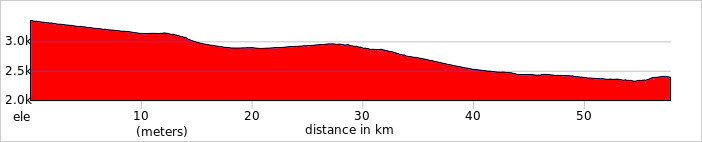
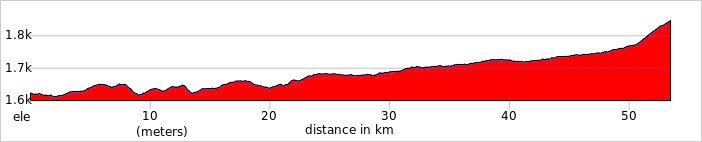
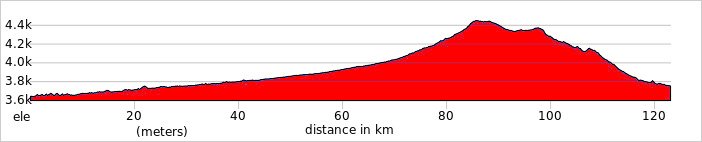
 Ride 58km
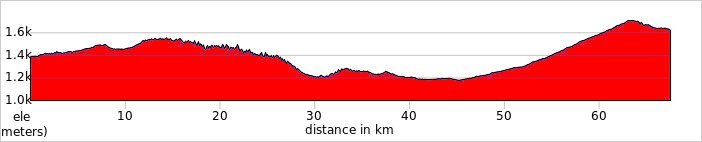
 +204m
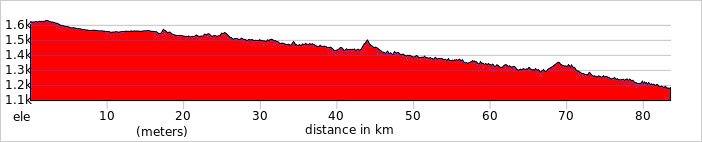
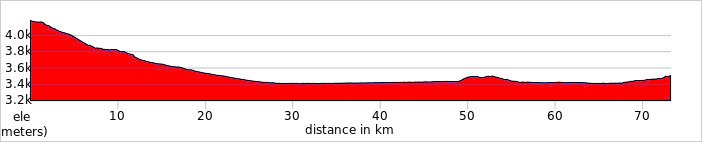
+204m -1170m




 SpiceRoads jersey
 International flights
 twitter.com/spiceroads
 youtube.com/user/spiceroads
 instagram.com/spiceroads
 facebook.com/SpiceRoad


